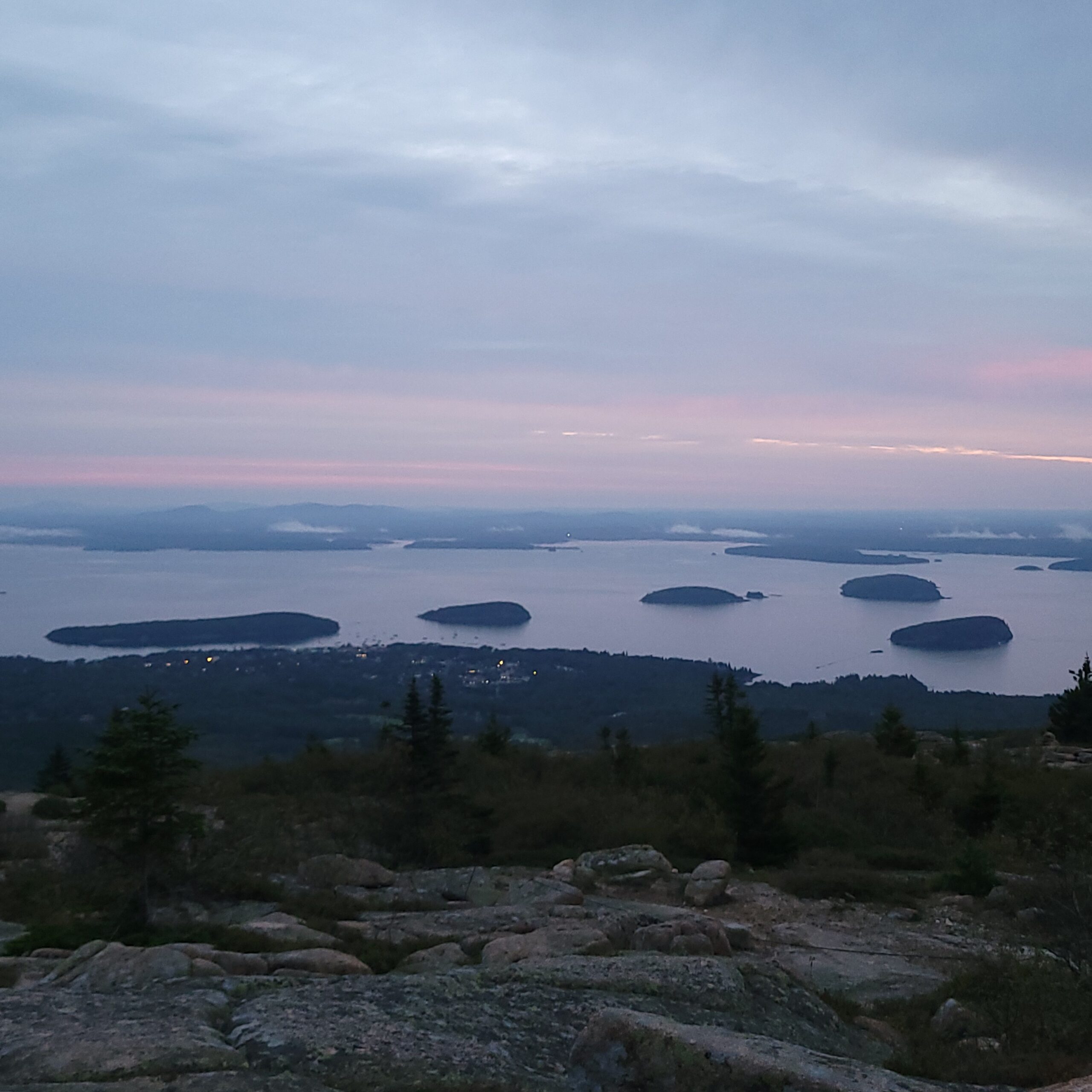
If you’ve ever stood in a foggy forest and felt the hair on the back of your neck rise, you already understand why Acadia National Park inspires so many stories. In this post, you’ll explore the folklore, ghost stories, and cryptid claims tied to Acadia – and, just as importantly, the real history and psychology that help explain why these stories endure.
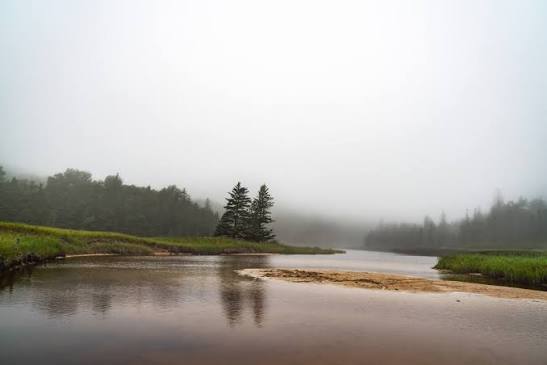
Acadia is known for its rugged coastline, spruce forests, and beautiful sunrises, but it’s also a place shaped by centuries of human meaning. From the Wabanaki nations to modern-day hikers swapping strange encounter stories, the park sits at the intersection of landscape, memory, and mystery.
Why Acadia National Park Feels So Mysterious
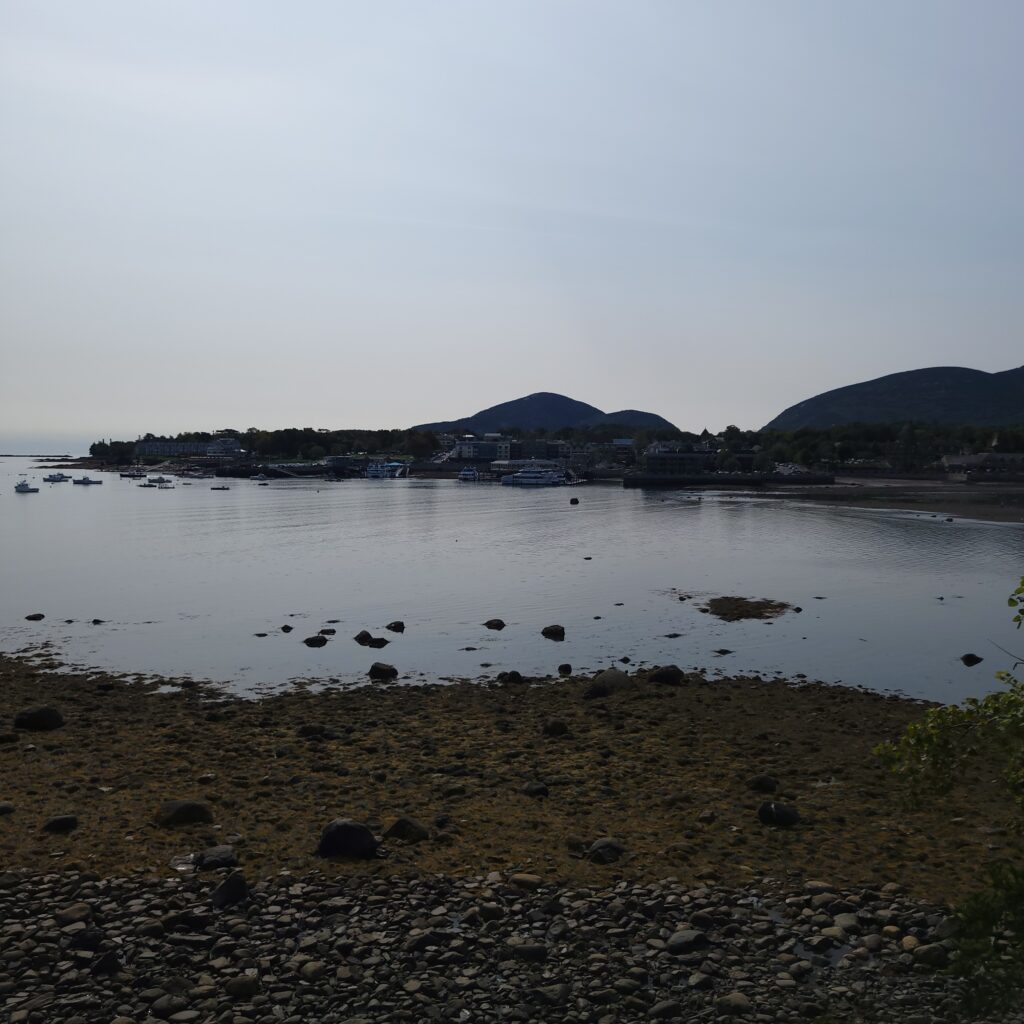
Acadia has a way of making you feel both small and alert. The fog rolls in fast; the woods get dark earlier than you expect, and the coastline can hide more than it reveals. That atmosphere alone is enough to make ordinary sounds feel unusual.
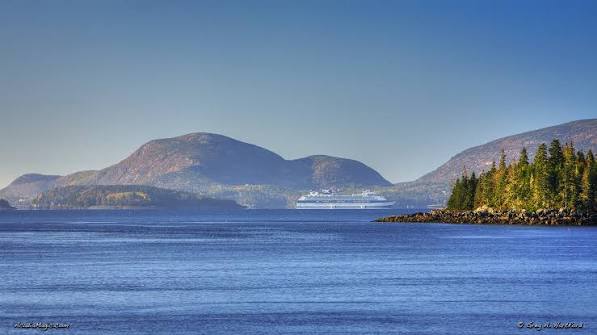
I like to describe the park as almost Jurassic in appearance – the kind of landscape where the mountains rise above the sea and the silence feels louder than the birds. That matters because mystery doesn’t start with a monster. It starts with uncertainty. When you can’t clearly see what’s around you, your mind begins to fill in the blanks.
That’s part of why places like Acadia become fertile ground for legends. Dense trees, rocky trails, isolated roads, and cold Atlantic water all create perfect conditions for people to misread what they hear or see. A branch moving in the wind becomes footsteps. A shadow in the fog becomes a figure. A shape in the water becomes something far stranger.
The Wabanaki Nations and the Land Before the Legends
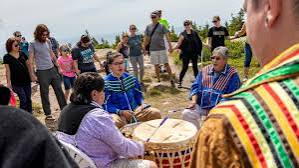
Their connection to the region was not casual or recreational. It was seasonal, spiritual, and practical all at once. People moved with the rhythms of the year – fishing along the coast in the warmer months, traveling inland in colder seasons, and relying on the land in ways that reflected stewardship rather than ownership. I emphasize this point clearly: the land was not just scenery. It was a living homeland with meaning.
This is where modern visitors need to slow down. Too often, wilderness is described as “untamed” or “empty,” but that language erases the people who built lives, traditions, and spiritual practice there long before tourism ever arrived. Acadia may feel wild to a visitor, but it is not historically empty. It is layered with memory.
Before Acadia became a national park, it was – and still is – part of the homeland of the Wabanaki people. This is the most important part of the story, because intentional travel begins with learning who was there first.
The Wabanaki have lived in and around this region for more than 10,000 years. That includes several distinct nations: the Maliseet, Mi’kmaq, Passamaquoddy, and Penobscot. Each group has its own homeland, language roots, and deep cultural relationship to the land and water of what is now Maine and eastern Canada.
Bigfoot, Sea Monsters, and Why Folklore Latches onto Landscapes Like Acadia
Once a place is perceived as mysterious, folklore tends to follow. In Acadia, that folklore shows up in the form of Bigfoot stories, sea serpent sightings, ghost ships, and unexplained sounds in the woods. But these stories don’t appear out of nowhere – they grow out of the environment itself.
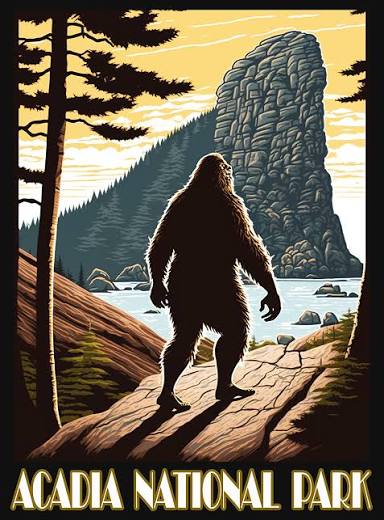
Bigfoot fits forested regions because forests naturally limit visibility. If you hear something moving parallel to you on a trail, stop, and the sound stops too, your brain immediately searches for a cause. That doesn’t mean a Cryptid is real, but it does mean the setting makes the story believable. Acadia’s dense woods, rocky turns, and long shadows are the kind of landscape where a fleeting glimpse can feel like proof.
For many visitors, the most stressful part isn’t even the height. It’s the combination of height, waiting, movement, and uncertainty all happening at once.
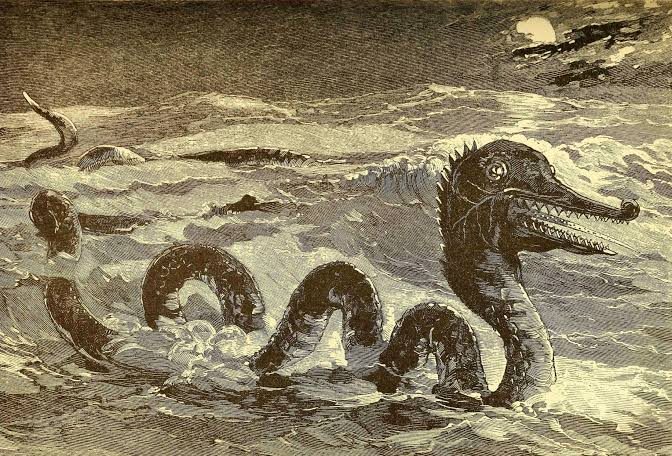
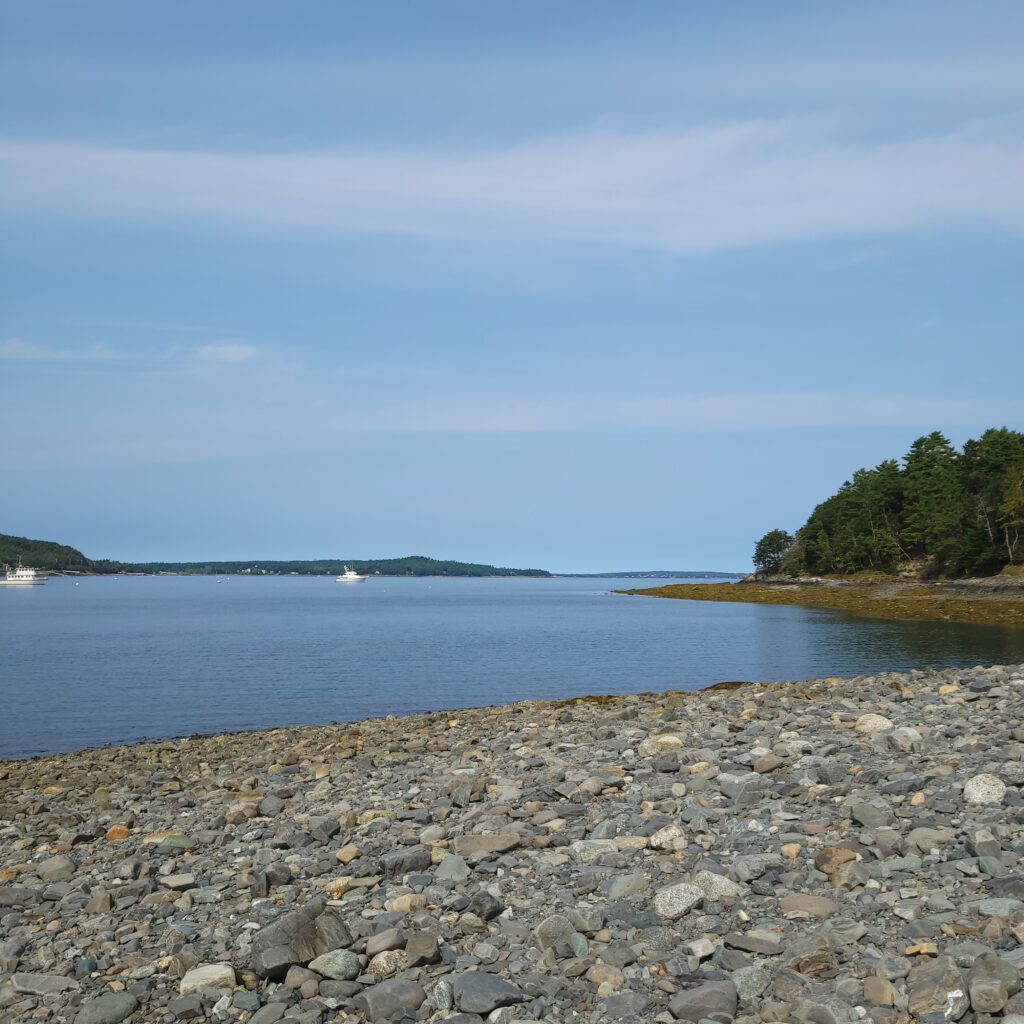
The coastline creates a different kind of fear. The ocean hides more than the forest because you can’t see beneath the surface. In Maine, one famous sea-monster story centers on Cassie, the Casco Bay Sea Serpent, with reported sightings stretching from the late 1700s into the 1950s. But sea monster legends often begin with ordinary things: whales, seals, porpoises, sharks, floating debris, or even unusual wave patterns.
In other words, the setting does part of the storytelling for us. Fog blurs the horizon. Dark water conceals depth. A fin might belong to a shark – or a dolphin – or two animals swimming together. When you don’t know what you saw, your imagination does the rest.
The Psychology of the Unexplained: Why Your Brain Wants a Monster
One of the most useful parts of this episode is the explanation of how human perception works. Our brains are pattern-making machines. When something is unclear, we don’t like leaving it unresolved, so we fill in the blanks.
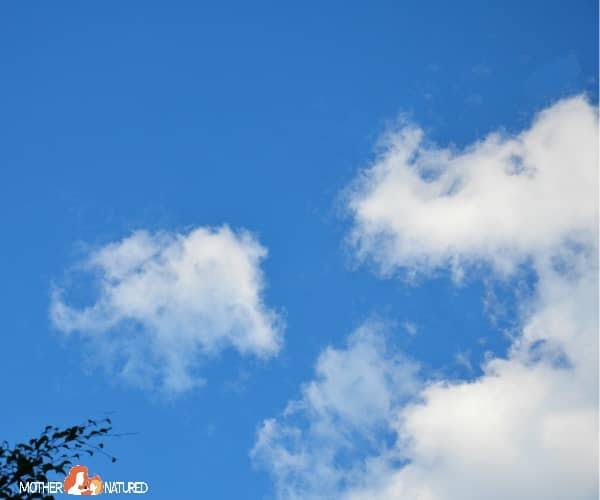
That’s where concepts like pareidolia come in – the tendency to see recognizable patterns in ambiguous things. Faces in shadows. Animals in clouds. Words in static. A shape in the water that might only be a wave. None of this means people are lying. It means perception is imperfect.
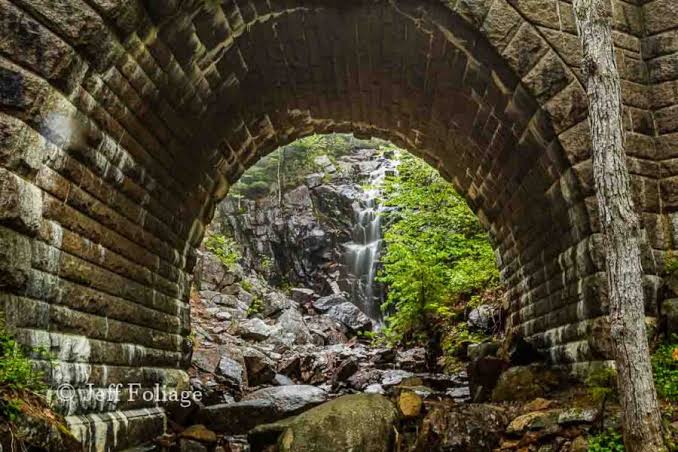
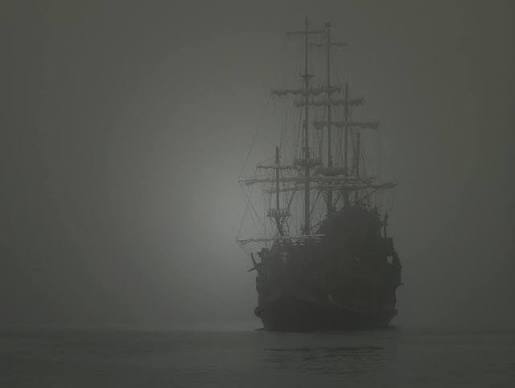
This is also why ghost stories feel so powerful in historic places. Fog, silence, old roads, cemeteries, shipwrecks, and weathered structures can all create the feeling that something lingers. Sometimes that “something” is a spirit in the supernatural sense. Sometimes it’s history refusing to disappear.
There is a strong distinction here: a real experience can still be real even if the explanation turns out to be ordinary. You might hear a sound in the woods and feel genuine fear. You might see movement in your peripheral vision and later realize it was your hair brushing your backpack. The fear was real either way.
That’s why folklore survives. One person has an encounter. They tell someone else. Details change. The story grows. Eventually, what began as an ambiguous moment becomes a local legend. It’s not just about proof – it’s about meaning, memory, and the human need to explain the unknown.
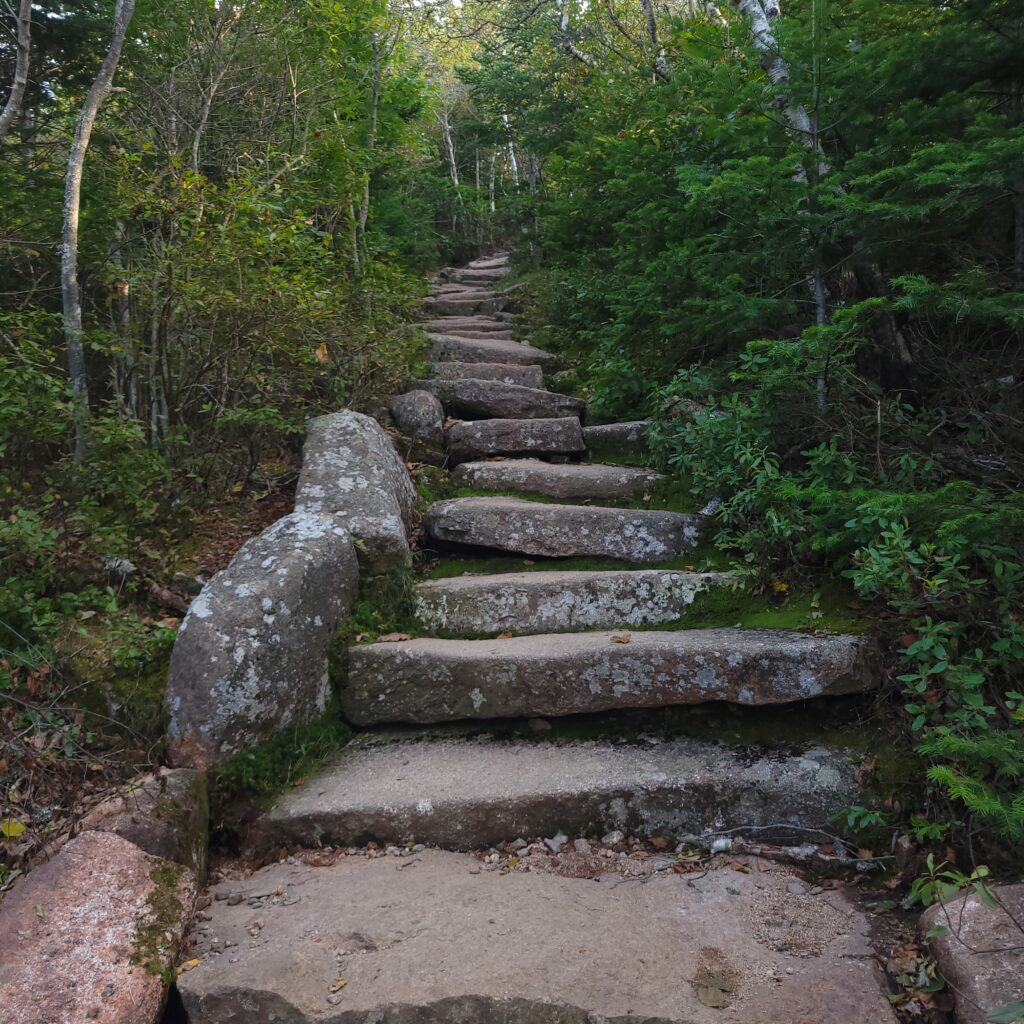
I will even suggest keeping a “mystery journal.” That’s a smart idea whether you believe in cryptids or not. Write down exactly what you saw, heard, and felt before you decide what it means. That practice makes you a better traveler and a more honest storyteller.
Most of all, intentional travel means accepting that not everything needs to be solved. Sometimes the mystery is the point.
The biggest takeaway isn’t really about cryptids at all. It’s about how you travel. I argue that if you want to understand a place, you can’t just visit it – you must listen to it, study it, and respect the people connected to it.
That means doing a little homework before you go. Learn about the Wabanaki nations. Read the plaques. Look into the history of the carriage roads, the old stone walls, the coastal communities, and the environmental context of the park. If a trail or overlook feels haunted or mysterious, ask yourself what happened there before you arrived.
It also means slowing down while you’re there. Don’t rush from viewpoint to viewpoint like you’re checking off a list. Notice the weather, the rock formations, the trees, the water, the sounds, and the silence. Write things down in a journal if you can – especially if you want to separate what you observed from what you interpreted.
Want to go deeper? Explore more stories like this in our related travel and trail safety posts. And thank you for your support for Roxy’s World Adventures!