Imagine standing on a stunning beach, feeling the warm sun and hearing the gentle waves. But beneath the calm water, many of us harbor fears about what might be lurking — sharks. As fascinating as these creatures are, they’ve been misunderstood and sometimes unfairly vilified. In this post, we’ll explore the real facts about sharks, debunk common myths, and help you understand how to enjoy the ocean safely.
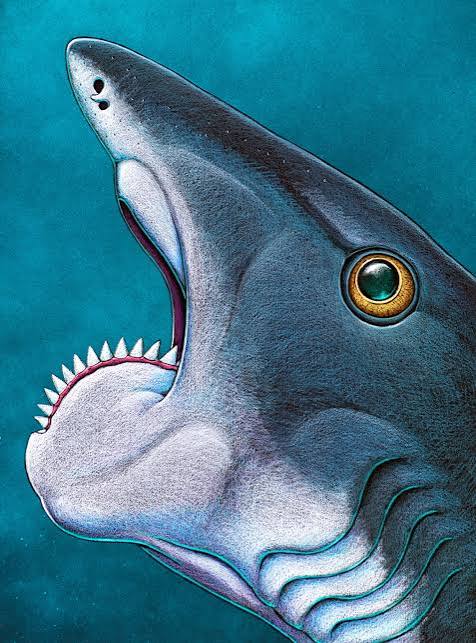
With over 450 million years of existence, sharks are some of the oldest predators on Earth. Despite this, fears and misconceptions continue to shape our perceptions. Understanding their true nature is essential — not just for safety, but for appreciating their vital role in marine ecosystems. Whether you’re a seasoned ocean lover or planning your first trip to the beach, this guide will change how you see these incredible animals.
The Ancient Origins of Sharks: Surviving Extinctions
Sharks have roamed our oceans long before the age of dinosaurs, dating back over 450 million years. Fossilized scales found in Australia reveal that their ancestors existed nearly half a billion years ago. Unlike many species that vanished, sharks have weathered mass extinctions, outliving dinosaurs and evolving into the variety we see today.
Knowing that sharks have existed for hundreds of millions of years underscores their resilience and importance. They help maintain a balanced ecosystem by regulating populations of prey like seals and smaller fish. Despite their ancient lineage, sharks are not out to attack humans — they are a crucial link in ocean health.
Common Myths About Sharks — Debunked
Society’s perception of sharks has been heavily influenced by movies like Jaws and sensational media stories. Here are some pervasive myths debunked with facts from recent research and expert insights.
Contrary to Hollywood portrayals, sharks do not see humans as prey. They are curious animals that might bite out of curiosity or mistaken identity but usually leave humans alone.
Fact:
Humans are not food for sharks. They prefer fish or seals, especially in certain regions like Cape Cod.
Myth busted:
Shark attacks are rare and mostly a case of curiosity rather than predation.
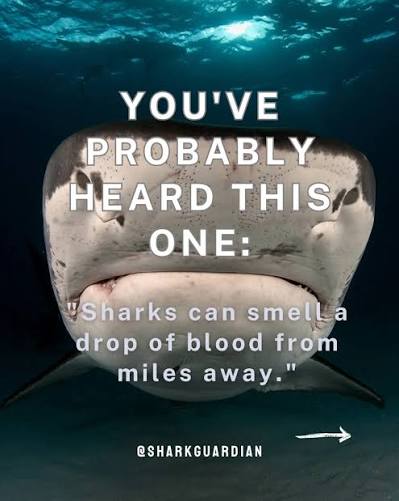
Myth 2: Sharks Can Smell a Drop of Blood Miles Away
While sharks have an excellent sense of smell, the idea that they can detect a single drop of blood from miles away is exaggerated.
Fact:
Sharks can smell blood but only from a few hundred yards at most, depending on currents and conditions.
Implication:
Minor cuts or blood are unlikely to attract sharks from afar if you follow safety guidelines.
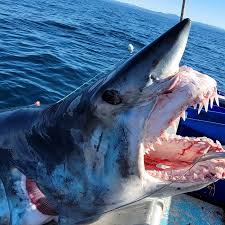
It’s true that some sharks, like Great Whites and Mako sharks, need to keep swimming to breathe. But many species are capable of relaxing and resting without constant motion.
Fact:
Not all sharks are persistent pelagic swimmers; many rest near the ocean floor.
Safety tip:
Sharks like Tiger sharks and others can be passive and pose minimal threat when not actively hunting.
Myth 4: Attacks Are Common — They’re Not
In reality, shark attacks are extremely rare. In Cape Cod, for instance, only about 15 documented attacks have occurred since records began, with just three fatalities.
Why this myth persists:
Movies, sensational headlines, and media overemphasize attack stories.
The truth:
Most sharks are harmless to humans; attack cases often involve mistaken identity.
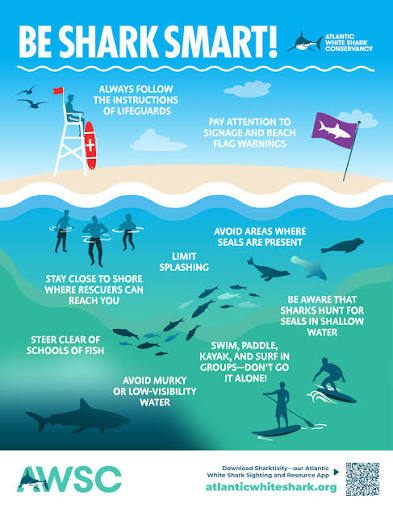
Understanding shark behavior and respecting their environment are key to enjoying beach trips and ocean adventures. Here are some safety tips to help you coexist peacefully with these creatures:
1. Swim in Groups
Sharks are more likely to attack a lone individual than a group.
Staying together reduces your risk and makes you more visible.
The Role of Ecosystem Management and Conservation Efforts
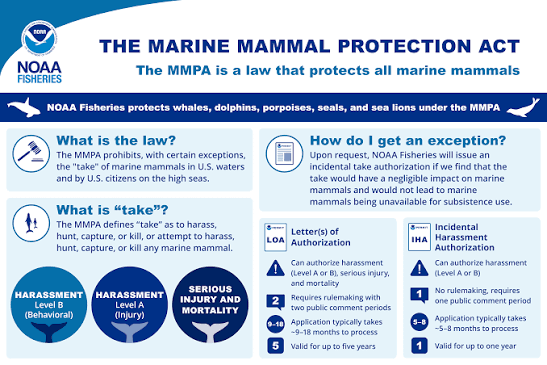
One way to reduce shark-related fears is through understanding and supporting conservation initiatives. For example, the Marine Mammal Protection Act has helped seal populations recover in Cape Cod. This, in turn, attracts sharks that feed on seals, reinstating natural balance.
The Impact of Protection Laws
Seal population recovery:
Increased seals due to protective laws have led to a rise in local shark populations.
Ecological balance:
Keeping predator and prey in check prevents overpopulation or decline of certain species.
While more sharks are present seasonally, their presence is part of a healthy marine ecosystem, not an indication of danger. Proper safety measures and public education—like installing sonar warnings and providing beach safety tips—have proven effective in reducing incident levels.
The ocean is a realm filled with wonder and creatures that have thrived for millions of years. Sharks, in particular, deserve our respect and understanding. They’re not the enemies depicted in movies but vital components of marine ecosystems. By learning about their history, debunking myths, and following safety guidelines, you can enjoy your time at the beach confidently and responsibly. Adventure truly begins with understanding — so go out, explore, and respect the incredible world beneath the waves.