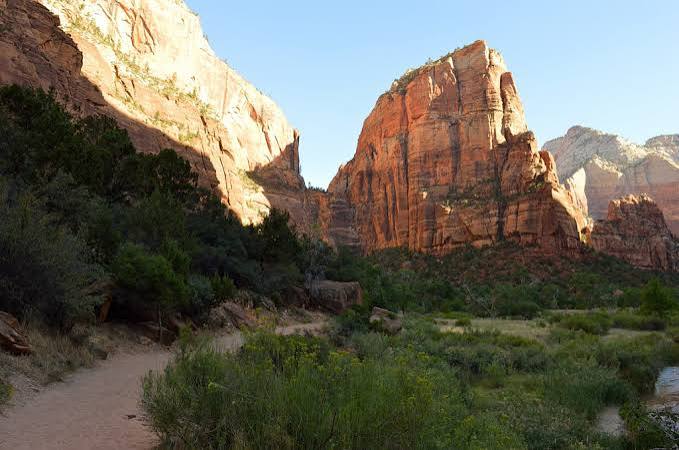
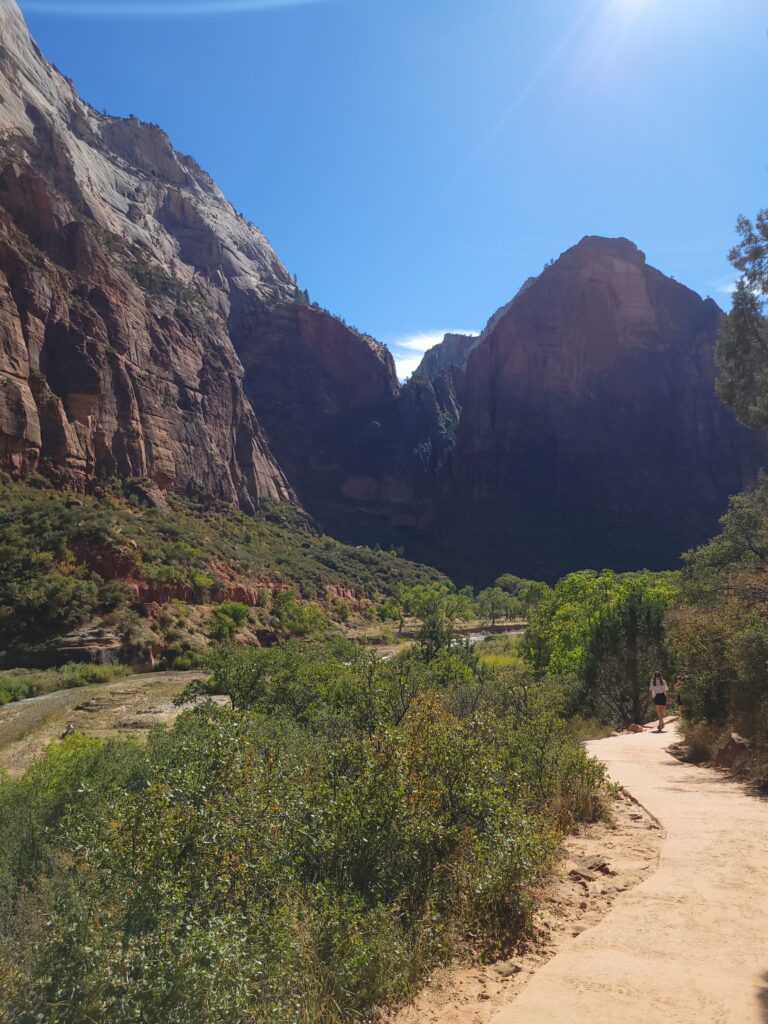
If you’ve ever looked at a photo of Angels Landing and thought, Why would anyone do that hike? – you’re not alone. This is one of the most famous and most intimidating trails in Zion National Park, and it has a reputation for breathtaking views, steep drop-offs, and the kind of exposure that makes even confident hikers pause.
In this post, you’ll learn what makes Angels Landing so dangerous, how the trail was built, why it remains such a powerful draw for visitors, and what lessons hikers can take from the tragedies that have happened there. Along the way, you’ll also get a deeper look at Zion’s landscape, the people who lived there long before tourism arrived, and the safety changes the National Park Service has put in place.
Why Angels Landing Feels So Extreme
Angels Landing is not just a hard hike – it’s a mental test.
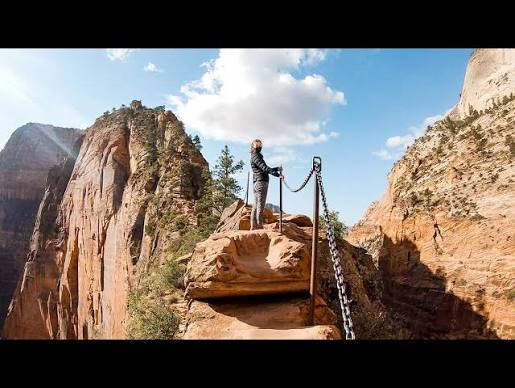
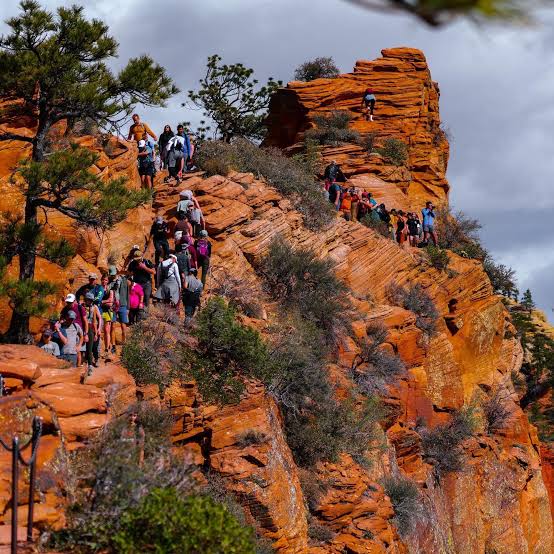
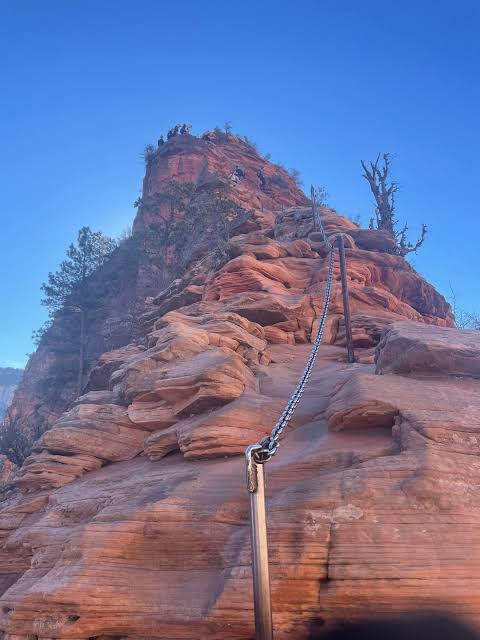
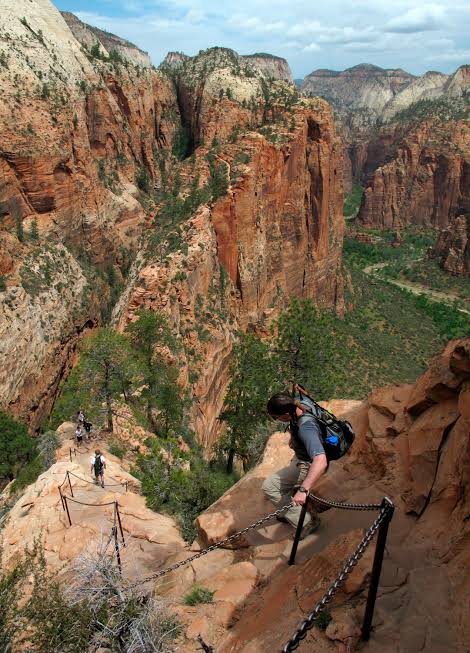
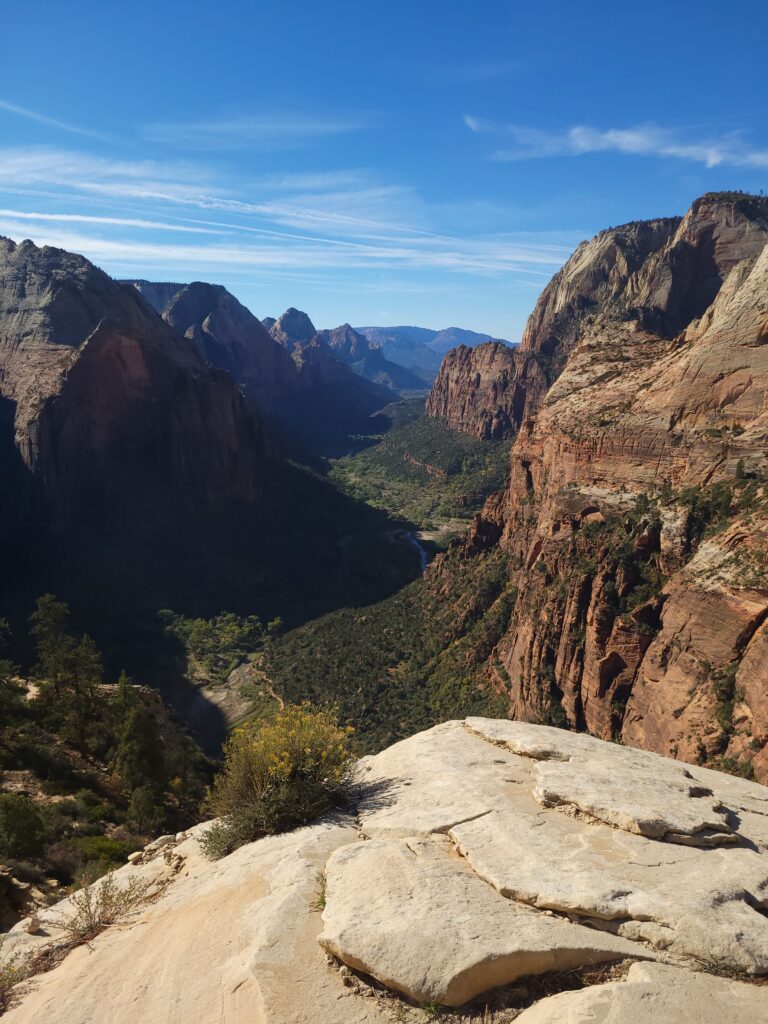
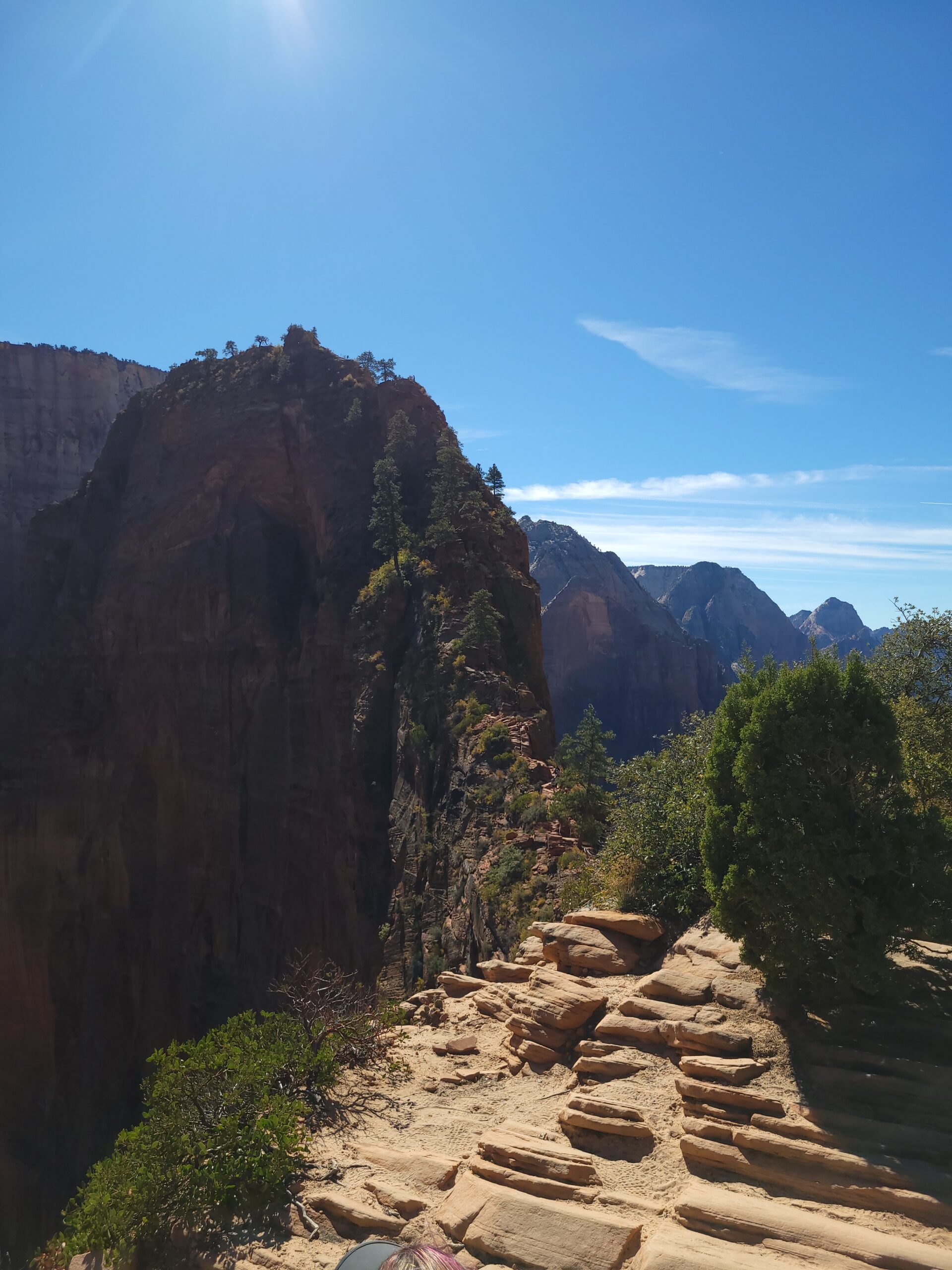
The trail rises through Zion National Park in Utah, and the final chained section is what gives it its fame. You’re moving along a very narrow spine of rock with thousand-foot drop-offs on both sides. There’s wind, exposure, and very little room for error. Even before you reach that part, you’ve already spent a lot of energy climbing steep switchbacks.
That combination matters. A trail becomes more dangerous when hikers are tired, scared, or overconfident. On Angels Landing, those factors all show up at once. Some people freeze when they get to the chain section. Others push ahead without respecting their limits. Both choices can create problems.
The real truth is that Angels Landing is as much about judgment as it is about endurance. If you’re not mentally ready for exposure, it can feel overwhelming very quickly.
The trail is physically demanding before the scary part even begins
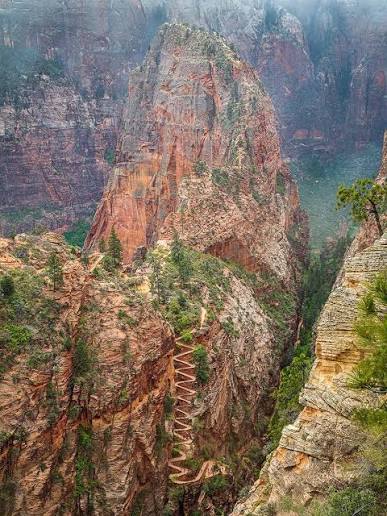
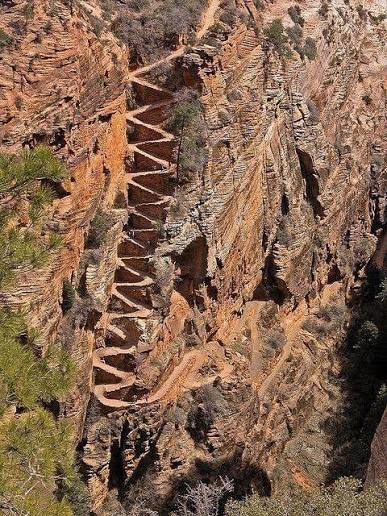
One of the most overlooked parts of Angels Landing is that the hardest mental section comes after a tough physical climb. Hikers first deal with steep terrain, including Walter’s Wiggles – a series of 21 tight switchbacks that push you uphill fast.
By the time you get to Scouts Lookout, your legs may already be burning. That matters because fatigue affects balance, confidence, and decision-making. If you are already tired, the chain section can feel much harder than it looks in photos.
This is why hikers often underestimate the trail. They focus on the dramatic final ridge and forget that they still have to earn their way there.
Angels Landing is famous, and that fame brings congestion. The chain section is narrow enough that hikers often have to wait for others to come down before they can move up. That creates bottlenecks, frustration, and pressure.
Crowds add another layer of risk because hikers can get distracted, rushed, or too focused on what others are doing. On a trail with serious exposure, that’s not ideal. You need space, focus, and patience – three things that get harder when the route is packed.
For many visitors, the most stressful part isn’t even the height. It’s the combination of height, waiting, movement, and uncertainty all happening at once.
How Zion National Park Became the Setting for a Trail Like This
To understand Angels Landing, you have to understand Zion.
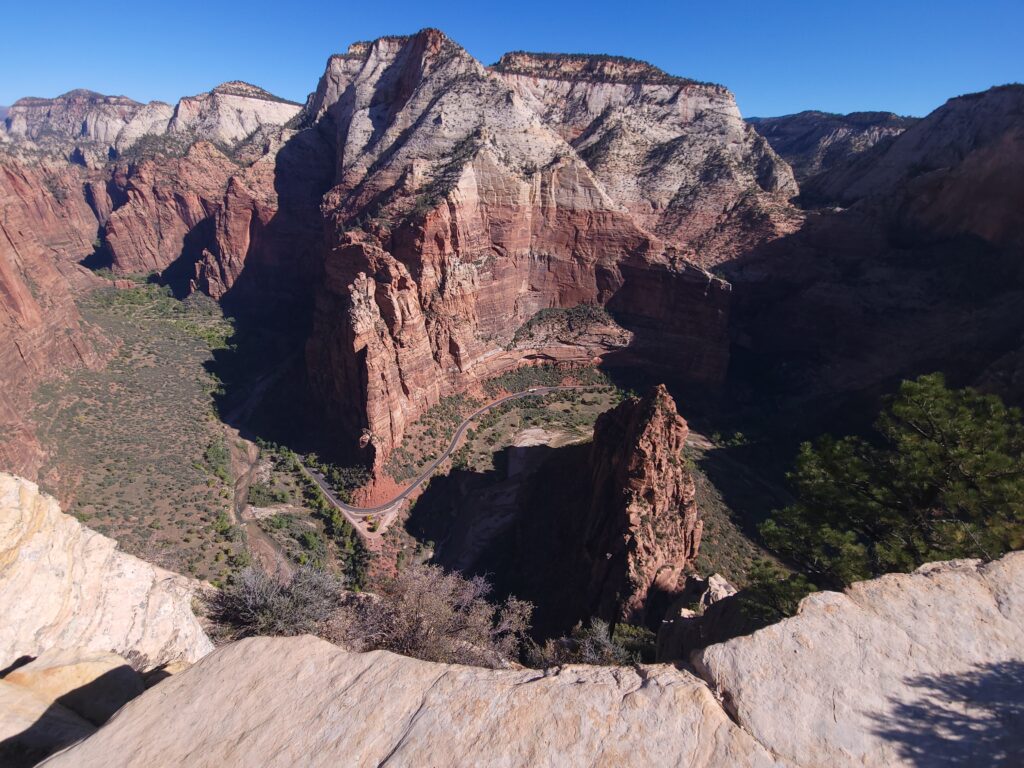
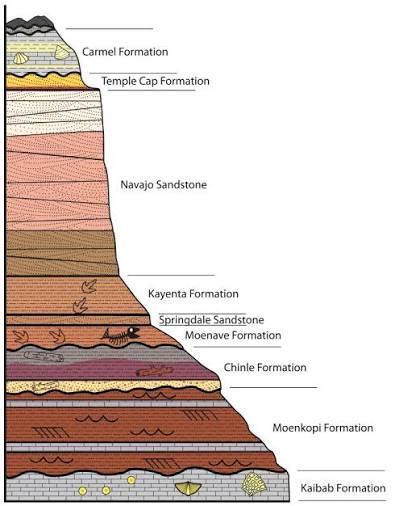
Zion National Park is one of the most visually striking places in the American West because its landscape was shaped over millions of years. Layers of sand, mud, and gravel built up over time, forming massive sedimentary rock formations. Later, tectonic uplift raised the region thousands of feet, and the Virgin River carved through the stone, creating the canyon walls and narrow passages visitors see today.
That’s what gives Zion its dramatic scale. You’re not just standing in a park – you’re standing in a landscape built by time, pressure, and erosion.
The famous red and orange tones come from Navajo Sandstone, one of the park’s most recognizable layers. The result is a place that feels almost unreal in person. It’s beautiful, but it also reminds you that nature is ancient, powerful, and not designed around human comfort.
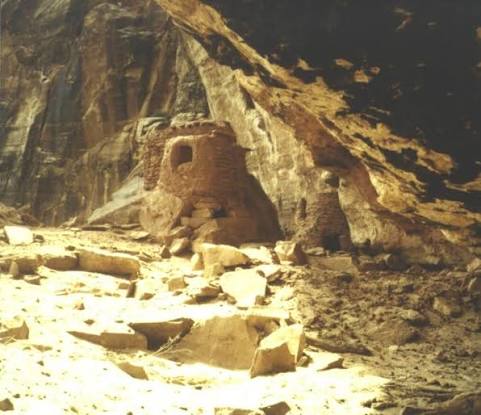
Zion’s story didn’t begin with hikers or park shuttles. Ancient Puebloan communities, including the Virgin branch, built farming villages, storage granaries, and cliff dwellings in the region. They relied on crops like corn and squash, but the environment was difficult. Flash floods, poor soil, and shifting climate made survival challenging.
Later, the Southern Paiute adapted to the landscape in a different way. They used wild plants, hunted, and practiced small-scale farming. They also developed spiritual traditions tied closely to the canyon walls, rivers, and higher ground. Petroglyphs and pictographs throughout the area reflect that deep connection.
That history matters because it changes how you see the park. Zion was never just scenery. It was, and still is, a living place shaped by human adaptation, survival, and respect for the land.
Zion’s name reflects a change in how people valued the area
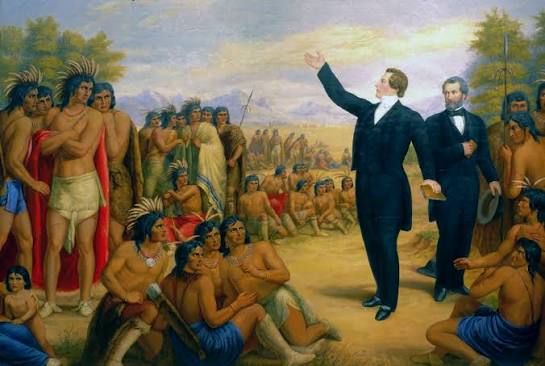
The name “Zion” was adopted by Mormon settlers and comes from biblical Hebrew, meaning sanctuary, refuge, or a place of peace. The park was first recognized as a national monument and later upgraded to national park status in 1919.
That upgrade came as tourism increased and more people recognized the area’s value. Roads, tunnels, lodging, and trails followed. What had once been a rugged and sacred landscape became a major destination for visitors from across the country and around the world.
And Angels Landing became one of the park’s most talked-about features.
The trail itself was engineered by Walter Rusch, who built it as an extension of the West Rim Trail. He had no formal engineering training, which makes the result even more impressive. The first footholds were chiseled directly into the sandstone, and the lower switchbacks were built with locally quarried stone and dry-laid retaining walls.
That’s a remarkable feat when you think about it. People often see the trail as a natural wonder, but it was also shaped by human labor, hand tools, and a lot of risk.
Angels Landing has a surprisingly hands-on origin story.
The trail was originally called the Temple of Aeolus before it got its current name in the early 20th century. The now-famous name came from the idea that only an angel could land on such a narrow, exposed point.
Walter’s Wiggles and the climb to Scouts Lookout
The lower section of the trail includes the famous Walter’s Wiggles, which are short, steep switchbacks that help hikers gain elevation quickly. They are exhausting, but they’re also part of what makes the trail feel earned.
Once you reach Scouts Lookout, you get a short break before the chain section begins. That pause is deceptive. You may feel close to the top, but the most exposed part is still ahead.
This is where hikers need to check in with themselves honestly. Do you feel steady? Do you have enough water? Are you calm enough to continue? If not, turning around is the smart choice.
The chain section is what changed Angels Landing’s reputation
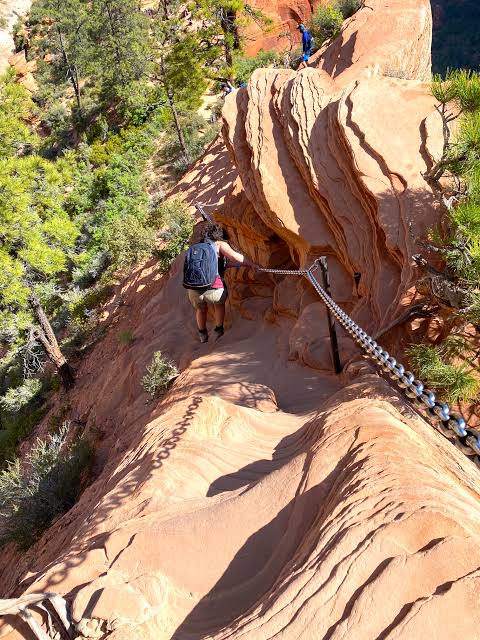
The final chained stretch is what made Angels Landing famous – and infamous. It’s narrow, steep, and exposed. Hikers use chains for stability while moving across uneven rock. In wet, windy, icy, or crowded conditions, that section becomes much more dangerous.
This is not a place for casual confidence. It’s a place where experience, preparation, and self-awareness matter.
Some hikers underestimate it because the trail appears manageable in photos. But pictures can hide the exposure, the drop-offs, and the mental strain of standing on open rock with very little margin for error.
Why People Get Hurt - and What You Can Learn From It
Over the years, Angels Landing has seen rescues, medical emergencies, and fatal falls. Some incidents involve slippery rock, strong winds, exhaustion, or hikers taking risks while trying to take photos. Others involve people who simply misjudged the trail and their own limits.
That’s the hardest lesson from Angels Landing: the mountain does not care how confident you feel.
You can be fit, experienced, and excited – and still make a mistake if you’re tired or distracted. You can also be inexperienced and safe if you move carefully, know when to stop, and respect the conditions
That’s not being strict for the sake of it. It’s about keeping people alive.
If you plan to hike Angels Landing, preparation should be non-negotiable. Bring enough water – around three liters is a smart starting point for many hikers. Wear proper shoes with grip. Avoid sneakers. And if you’re already feeling shaky, dizzy, or overwhelmed, do not keep going just because you’ve come this far.
The National Park Service introduced a permit system for the chained section in 2022 to help reduce crowding and improve safety. That matters because too many people on a narrow trail can create delays, stress, and unsafe passing situations.
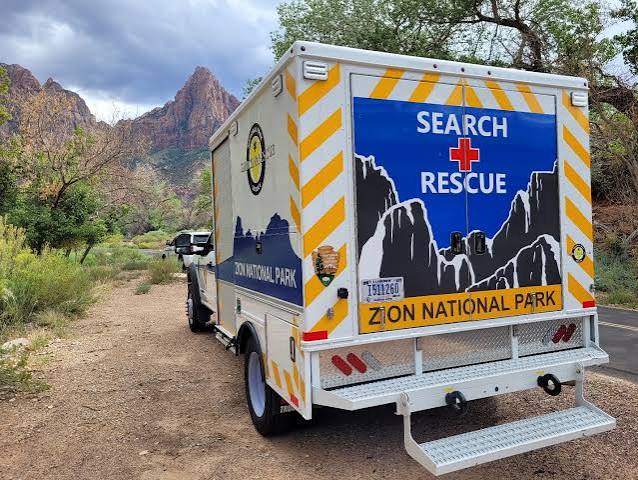
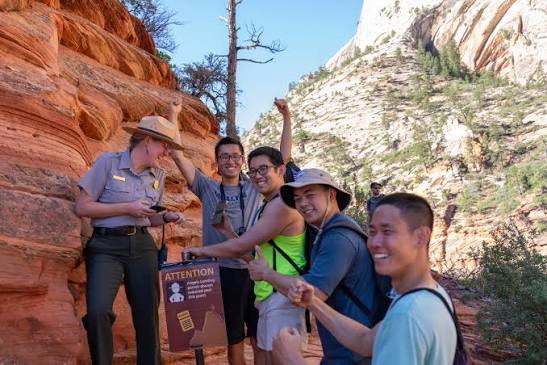
The park also monitors weather, checks permits, updates signage, and maintains the chain system. Rangers can turn hikers around if conditions aren’t safe or if they’re not adequately prepared.
The biggest dangers are often the simplest ones
A lot of the risk on Angels Landing comes from basic mistakes:
Not bringing enough water
Wearing poor footwear
Underestimating the exposure
Taking photos in unstable spots
Pushing on despite fatigue
Hiking in bad weather
Failing to respect the descent
The descent is especially important. Coming down is often harder than going up, because your knees are tired and your balance is more likely to fail. That’s when many hikers get hurt.
The lesson isn’t that you should never take on hard trails. It’s that you should take them seriously.
The Bernadette Vander Meer Case and Why It Still Lingers
One of the most disturbing stories tied to Angels Landing involves Bernadette Vander Meer. Her death was initially treated as a tragic hiking accident, but years later the case drew renewed attention when new information surfaced suggesting something much darker may have happened.
Her husband, David Vander Meer, reported that she fell while they were on the trail at sunrise. He said he turned away briefly to move backpacks and then heard her scream. At first, investigators accepted that account.
But later, a former member of David’s youth group came forward and said he had been involved in an affair with her when she was underage. She also claimed he told her they could only be together if Bernadette was dead.
That testimony helped investigators revisit the case. They also found evidence suggesting financial motive, including substantial life insurance payouts and policy changes made before the trip. The timeline of sunrise and the reported time of the fall also raised questions.
David was eventually arrested on murder and fraud-related charges, but he died shortly afterward in jail before a trial could take place.
The case remains painful because it sits at the intersection of grief, suspicion, and unanswered questions. It’s a reminder that not every death on a trail is just an accident, and that families sometimes never get the closure they deserve.
What Angels Landing Teaches You About Nature
Angels Landing is beautiful, but it is not forgiving.
That’s the biggest takeaway from the trail, whether you’re approaching it as a hiker, a traveler, or someone fascinated by its history. Nature rewards preparation, humility, and awareness. It does not reward showing off.
If you go to Zion, appreciate the place for what it is. Don’t feed the animals. Don’t leave trash behind. Don’t assume the trail will bend to your comfort. And if you’re not ready for the exposure, that is not a failure – it’s wisdom.
You do not need to prove anything on a trail like this. You just need to make it back safely.
Angels Landing is one trail with many stories: ancient people living with the land, engineers carving steps into sandstone, millions of visitors chasing the view, and tragic moments that remind us how quickly beauty can become danger. If you remember anything from this post, let it be this – adventure and risk often travel together, but preparation is what helps you decide whether the risk is worth it.
Want to go deeper? Explore more stories like this in our related travel and trail safety posts. And thank you for your support for Roxy’s World Adventures!