Two experienced backpackers vanished from one of the most beautiful places on the East Coast, and what followed became one of Shenandoah National Park’s most haunting cold cases. In this blog, you’ll learn who Lollie Winans and Julie Williams were, how the park conditions of 1996 complicated the search, and why the case stayed unsolved for so long. This story is about more than a crime scene – it’s also about wilderness safety, justice, and the fragile feeling of security we often attach to nature.
Who Were Lollie Winans and Julie Williams?
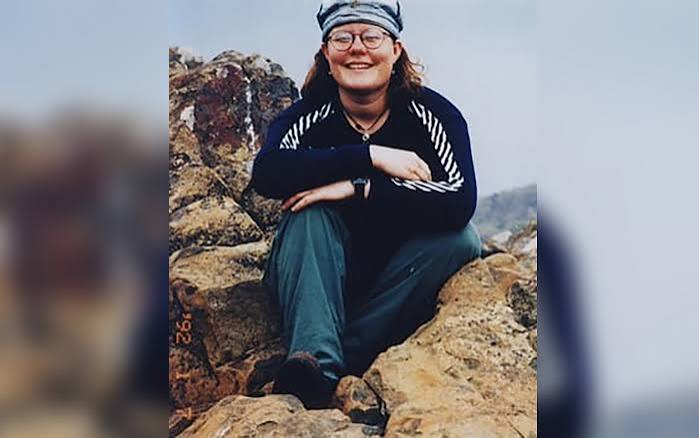
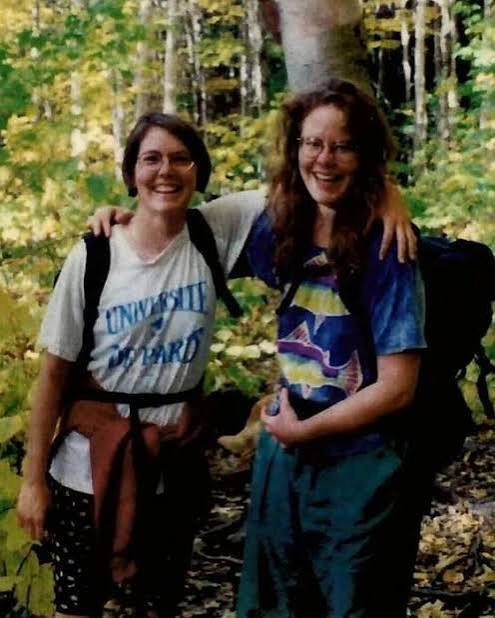
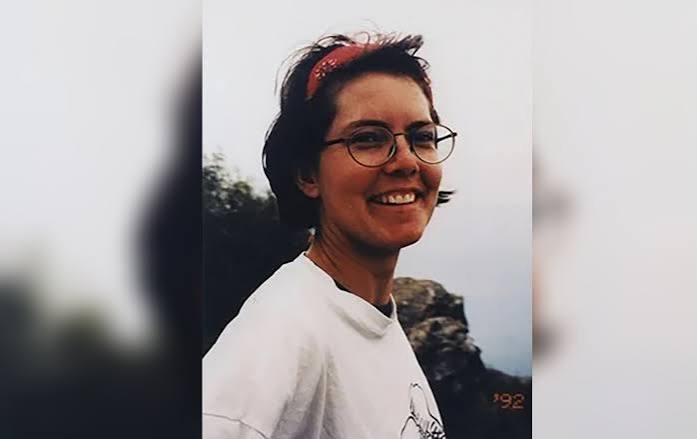
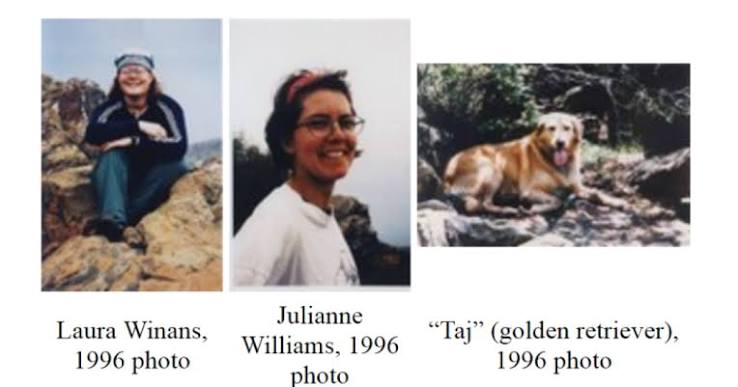
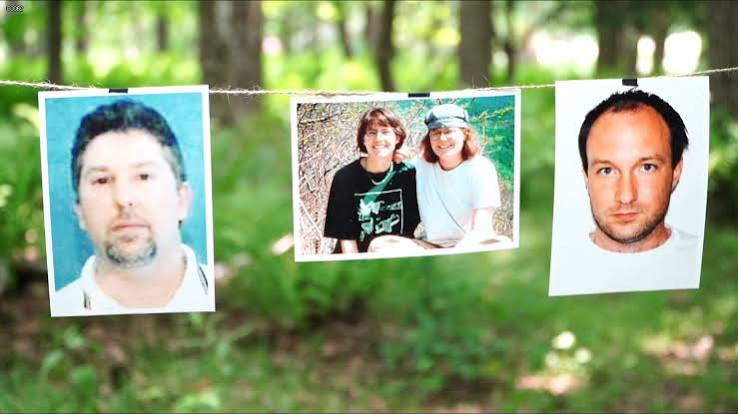
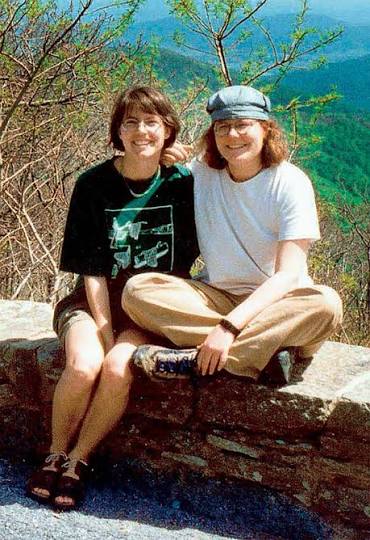
Lollie Winans and Julie Williams were not just victims in a true crime case. They were adventurous, outdoors-focused women who built their lives around nature, travel, and personal growth.
Julie was quieter, more reserved, and deeply compassionate. She came from a religious background, was intellectually curious, and eventually studied geology. That detail may seem small, but it says a lot about her – she was someone who paid attention to the world, especially the natural world.
Lollie was described as spunky, outgoing, and deeply connected to the outdoors. She had been through serious trauma earlier in life, including sexual abuse in her family, and later used wilderness experiences as part of healing and survival. Lollie was the kind of person who seemed to move toward challenge instead of away from it.
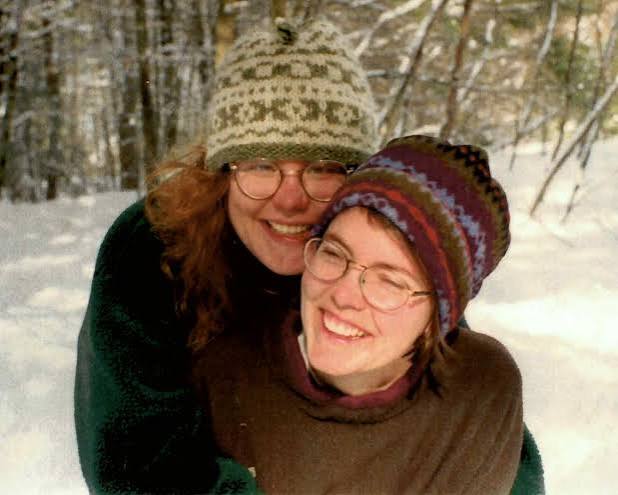
Together, they formed a couple whose relationship grew through adventure. They met through the Woodswoman group, bonded over shared outdoor experiences, and eventually built a life around backpacking, conservation, and the hope of doing meaningful work in the world.
That makes the tragedy hit harder. These were not people passing through the park casually. They were experienced, thoughtful hikers who understood the outdoors and respected it.
Their story is also a reminder that representation matters. Both women were part of the LGBTQ+ community, and I want to make clear how meaningful it is to honor them with care, dignity, and visibility.
What made their story especially moving is that their bond wasn’t separate from their passions – it was formed through them.
They went rafting together. The women hiked together. They planned futures that included wilderness, service, and preservation work. Julie was preparing to work in environmental preservation, while Lollie had already been engaging in outdoor leadership and healing-centered work.
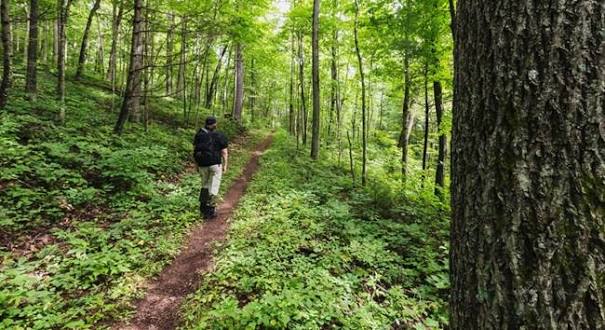
That isolation mattered. Lollie and Julie were camping in the backcountry, and the trail they used required bushwhacking to reach their site. Their tent was hidden so well that even searchers later walked past it multiple times without noticing it.
This combination of limited staffing, environmental strain, and remote terrain created the perfect conditions for a case to go unnoticed for too long.
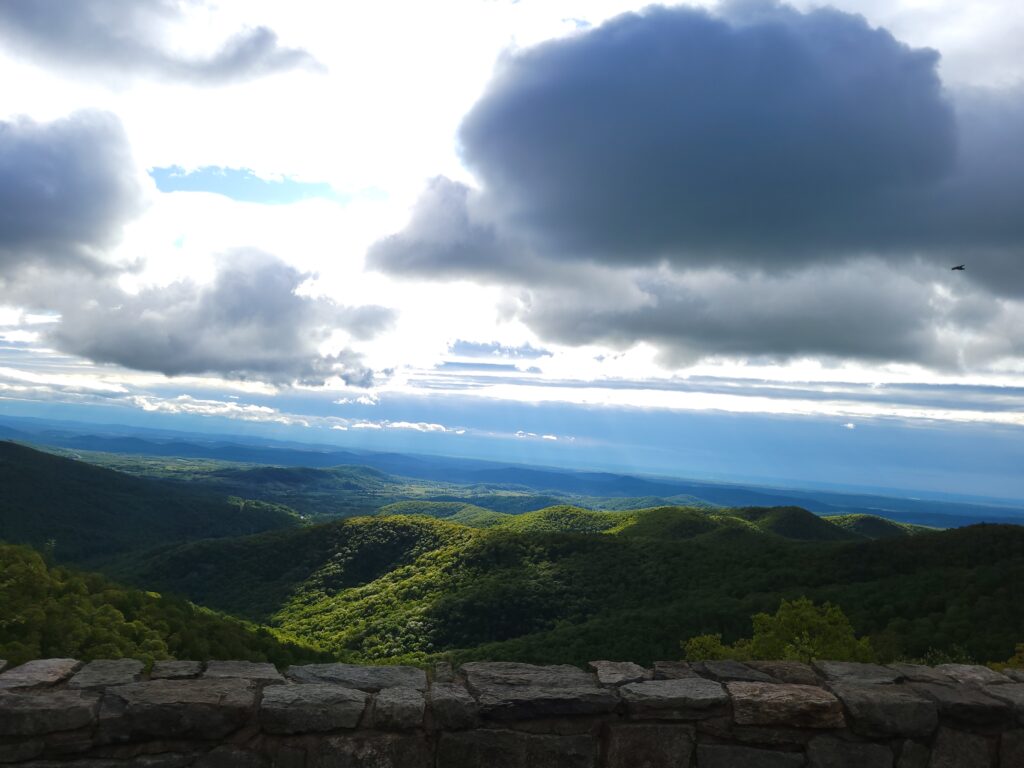
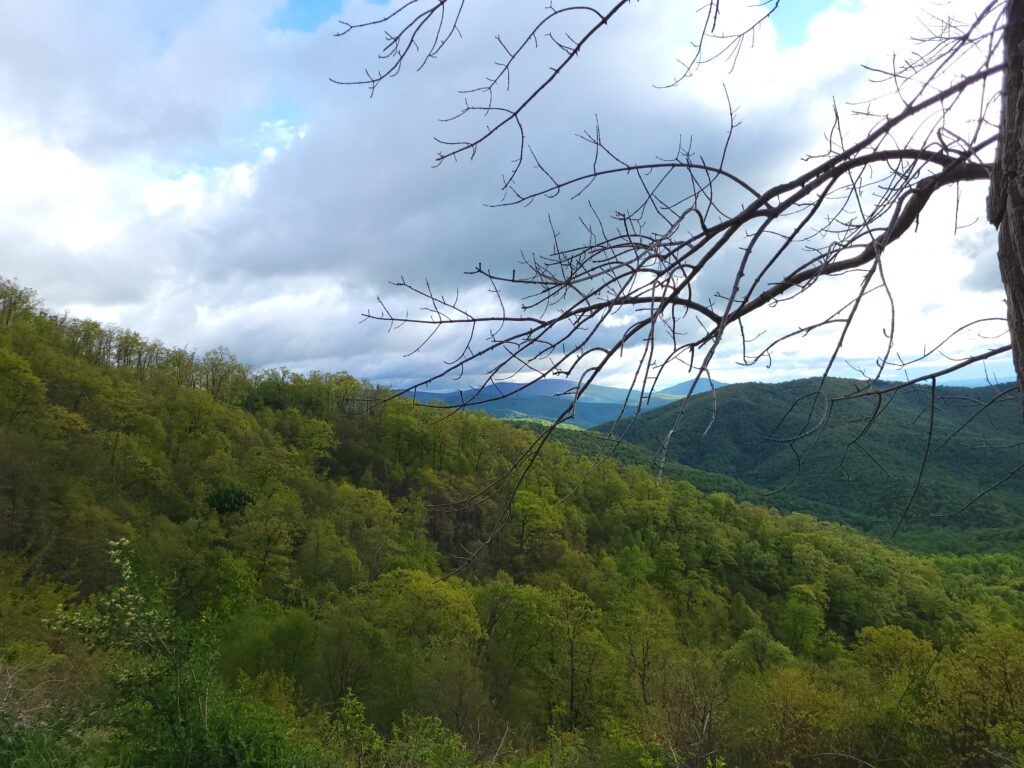
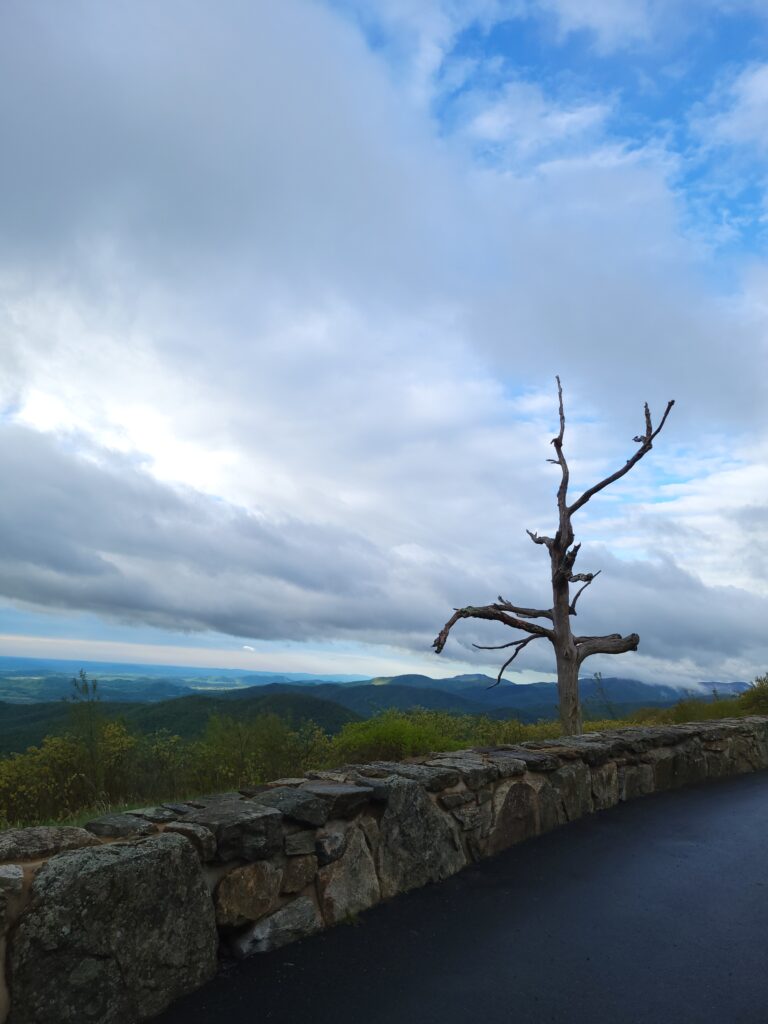
To understand how this case unfolded, you have to understand Shenandoah National Park at the time.
In 1996, the park was dealing with serious staffing shortages, budget cuts, and infrastructure problems. Rangers were furloughed, maintenance crews were limited, and many interpretive programs were canceled. Those programs normally help visitors understand the terrain, trailheads, wildlife, and safety risks – without them, even a beautiful park can become much harder to navigate safely.
The park was also struggling with environmental damage, including acid rain, gypsy moth infestations, and poor air quality. Trails were not always maintained, broken infrastructure went unrepaired, and some areas became increasingly isolated.
The campsite and the missing pair
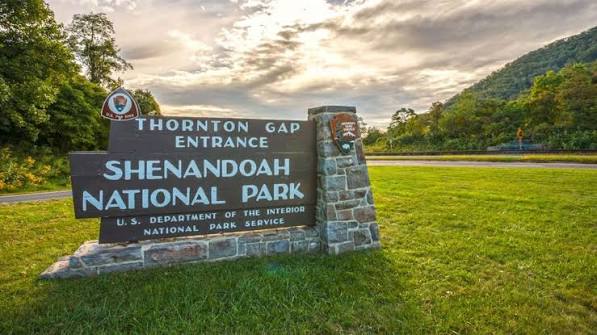
Lollie and Julie entered the park in late May 1996 and spent several days hiking and backpacking. They renewed their backcountry permit at Thornton Gap and told park staff they would return by June 1.
The girls were friendly and open with rangers and park staff, even chatting with Barb Stewart, who happened to know someone connected to Lollie’s college community. Nothing about the interaction seemed alarming. They were experienced. The women had a plan. They knew what they were doing.
Then they disappeared.
Because their campsite was so secluded, no one immediately realized anything was wrong. When they did not return on schedule, concern started to spread among family members, friends, and eventually park officials.
Eventually, a hasty search was organized, but the exact location of the campsite still wasn’t clear enough to immediately find the women.
Meanwhile, other hikers in the park were growing nervous. Some turned around. Others reported strange interactions on the trail, though not every lead was taken seriously. That part of the story is painful because it shows how easily fear can be dismissed until it is too late.
Once the women were reported missing, the search began in a piecemeal and frustrating way.
Julie’s roommate Derek noticed she hadn’t returned and started making calls. He contacted Julie’s parents, who initially hoped she would simply turn up. When concern grew, her father Tom pushed for a search. At first he met delays and confusion – local police said it wasn’t their jurisdiction, the park wasn’t easy to reach, and early response was slow.
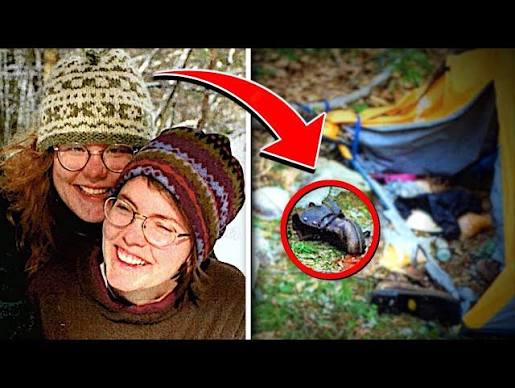
On June 1, 1996, searchers finally found the campsite.
The tent had been slashed open. Gear was scattered. There were signs of struggle. Inside, investigators found Lollie and Julie, both dead, bound with duct tape and showing evidence of a violent assault. Their deaths were determined to have occurred on May 28, around 10 PM.
It was the kind of scene that changes a park forever.
What investigators found
The evidence suggested a brutal, targeted attack. They had been separated, restrained, and killed. But wilderness crime scenes are difficult even under ideal conditions, and this one was not ideal.
It had rained. Evidence was wet and compromised. Forensic methods in 1996 were far less advanced than what exists today. Agencies disagreed about how to collect and store materials. Some items were left to dry in a ranger apartment rather than being processed with modern forensic efficiency.
Even simple things – fingerprints, trace DNA, time of death estimates – were much harder to establish in a remote, weather-exposed environment.
That is one reason the case dragged on for decades.
The Suspects, False Leads, and the Long Wait for Answers
Another name that surfaced was Richard Mark Evonitz, a serial kidnapper and murderer tied to several crimes in Virginia and nearby areas. He was connected to a separate pattern of violence, but he died by suicide before any possible role in the case could be fully explored.
These false leads mattered because they show how cold cases often move sideways before they move forward. Families wait. Evidence gets reexamined. Theories rise and fall. And sometimes the truth stays just out of reach.
Like many cold cases, this one passed through multiple possible suspects before DNA eventually clarified some of the truth.
One suspect was Daryl David Rice, who was later caught harassing and attempting to abduct a cyclist in Shenandoah. He had gloves and duct tape in his vehicle and initially seemed like a plausible suspect. But even though he was convicted for the assault on the cyclist, DNA testing did not link him to Lollie and Julie’s murders.
For the Winans and Williams families, that waiting was devastating. They were often left without clear answers and had to watch the case get shaped by incomplete evidence and uncertainty.
How DNA finally changed the case
Modern forensic technology eventually reopened the investigation in a meaningful way.
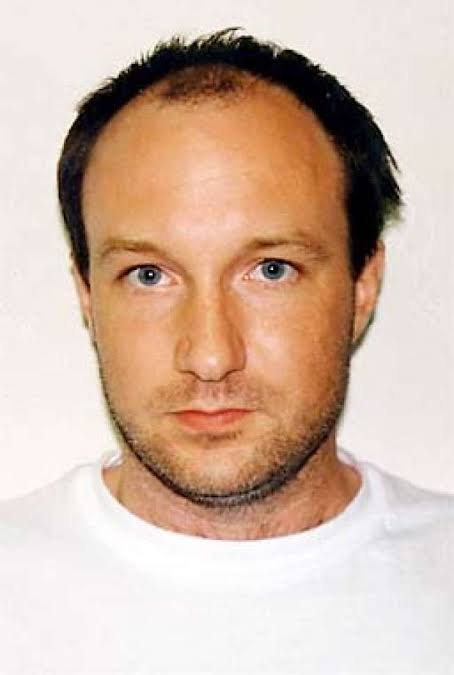
Years later, DNA evidence, fingerprints, and fiber analysis pointed to Walter Leo Jackson Sr., a man who had died in prison in 2018. He had a violent criminal history and was known to hike in Shenandoah. Investigators concluded that his DNA and other physical evidence tied him to the crime scene.
That brought a kind of closure – but not justice in the fullest sense.
Because Jackson was already dead, he could not be prosecuted. The families did not get a trial, a confession, or the chance to ask questions directly. The truth became clearer, but the emotional wound did not disappear.
That is one of the hardest realities of cold cases: solving the mystery does not always heal the harm.
Nature is still worth loving. It still heals. Still inspires. But cases like this remind us that the wilderness is vast, and vulnerability is part of the experience.
This story is heartbreaking, but it also carries a practical message. The wilderness can be healing, beautiful, and restorative – but it can also make people vulnerable, especially when they are isolated and unprepared.
That does not mean you should stop hiking alone or stop trusting the outdoors. It means you should be realistic about risk.
Here are a few takeaways from this case:
Know your route and share it.
Tell someone where you’re going, when you’ll return, and what trail or campsite you’ll use.
Pay attention to your surroundings.
Avoid headphones, avoid tuning out, and stay aware of other people on the trail.
Carry safety tools responsibly.
Many hikers carry some form of protection or emergency gear, and that is worth thinking through before you go.
Trust your instincts.
If a trail, campsite, or interaction feels wrong, you do not need to prove anything to keep yourself safe.
Respect remoteness.
A beautiful hidden campsite can also mean slower rescue, slower discovery, and less oversight.